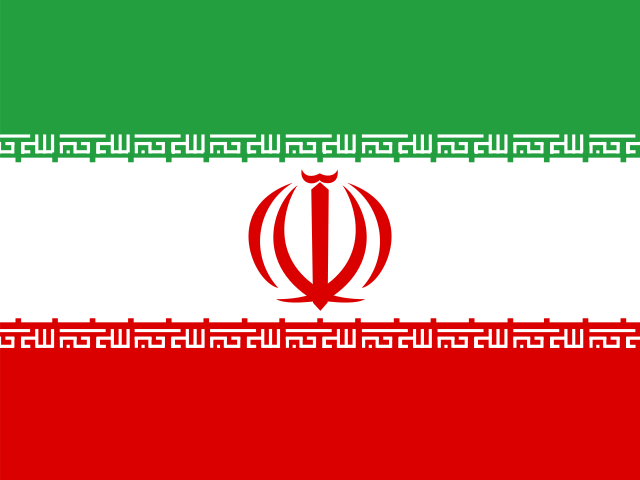
No apostille
IranDoes not use apostilles
Process
What applies instead
Documents are first certified by the foreign ministry of the country where they were issued, which in Australia is DFAT, and are then sent to the consular section of the Iranian embassy for legalisation.2
Note: Information only
This page describes the process. The authorities listed below set the requirements and decide what they accept.
Contacts
Who to contact
Status
How to check whether Iran has joined
Countries join the Apostille Convention from time to time. The Hague Conference keeps the list of members in its status table. We last checked it on , when Iran was not on it.1
Other direction
If your document comes from a member country
An apostille from a contracting party does not by itself make a document usable in Iran. Ask the authority in Iran that will receive the document which steps it requires. An apostille only confirms the signature, the role of the person who signed and any seal or stamp on the document. It does not confirm what the document says. The office that receives the document decides what it accepts.
Sources and verification
Sources
- Status
- Last verified: (18 October 2026)
- How it was checked
- Checked by our team against the sources above
- Next review
Every fact on this page links to the source it was taken from. Read how we check facts.