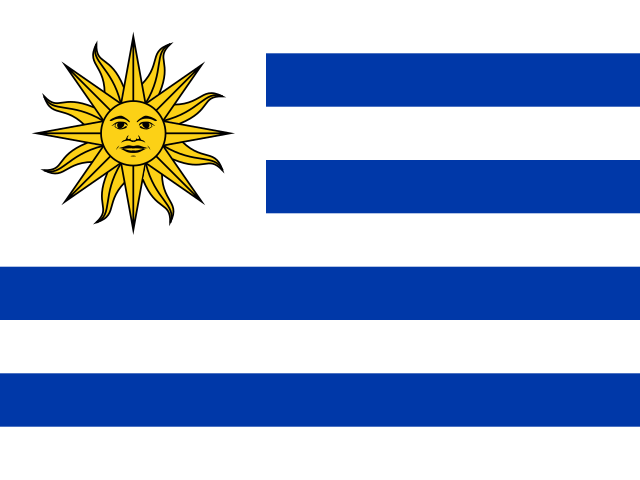
Uruguay
Apostille in Uruguay
At a glance
Does Uruguay use apostilles?
| Uses apostilles? | Uses apostilles1 |
|---|---|
| Member since | 1 |
| How it joined | Joined later (accession), 1 |
| Who issues apostilles | Offices designated by Uruguay: see the list on the HCCH website |
| What the receiving side decides | Whether it accepts the document: for example how recent it must be and whether it needs a translation. |
| Last checked |
Step by step
How to get an apostille in Uruguay
- Make sure the country where the document will be used also uses apostilles. The checker on this site shows this.
- Use an original public document. A private document, such as a power of attorney, is first signed in front of a notary public.
- Ask an office that Uruguay has designated for the apostille. The Hague Conference lists these offices with contact details.
- Check with the office that will receive the document whether it needs anything else, such as a translation.
These are the general steps that apply in every member country. See how apostilles work.
Contacts
Who to contact in Uruguay
- Apostille officesOffices designated by Uruguay, with addresses (HCCH list)
- The office that will receive your documentAsk it before you start what it needs: an apostille, a translation, or a document issued recently.
Common situations
Using a document from or in Uruguay
A document issued in Uruguay
The apostille comes from Uruguay, from an office Uruguay has designated (see the HCCH list above). It works in any other country where the Convention applies with Uruguay.
Check where it can be usedA document for use in Uruguay
Get the apostille in the country that issued the document, not in Uruguay. Uruguay accepts it if that country is also a member and the Convention applies between the two.
Check your countryBefore the apostille
Private documents
A private document, such as a power of attorney or a contract, is first signed in front of a notary public, and the apostille then goes on the notary’s certificate. A copy of a public document from another country is first certified by a notary public, then apostilled.
An apostille only confirms the signature, the role of the person who signed and any seal or stamp on the document. It does not confirm what the document says. The office that receives the document decides what it accepts.
Questions
Questions about apostilles in Uruguay
Does Uruguay accept apostilles?
Yes. Uruguay has been a member of the Apostille Convention since 14 October 2012, so it issues and accepts apostilles for documents exchanged with other member countries.
Who issues apostilles in Uruguay?
The offices that Uruguay has designated. The Hague Conference lists them, with contact details, on its website. The apostille is always issued in the country the document comes from.
How do I get an apostille in Uruguay?
Use an original public document, or have a private document signed in front of a notary public first. Then ask the designated office in Uruguay for the apostille, and check with the office that will receive the document what else it needs.
Do I need to notarise a private document first?
Yes. A private document, such as a power of attorney or a contract, is first signed in front of a notary public. The apostille is then added to the notary’s certificate, not to the private document itself.
Is an apostille valid in countries that are not Convention members?
No. An apostille only works in other member countries. Countries outside the Convention use a different process, usually called legalisation. The office that receives your document decides what it accepts.
Sources and verification
Sources
- Status
- Last verified: (18 October 2026)
- How it was checked
- Copied from the HCCH status table
- Next review
Every fact on this page links to the source it was taken from. Read how we check facts.
Related